Restoration
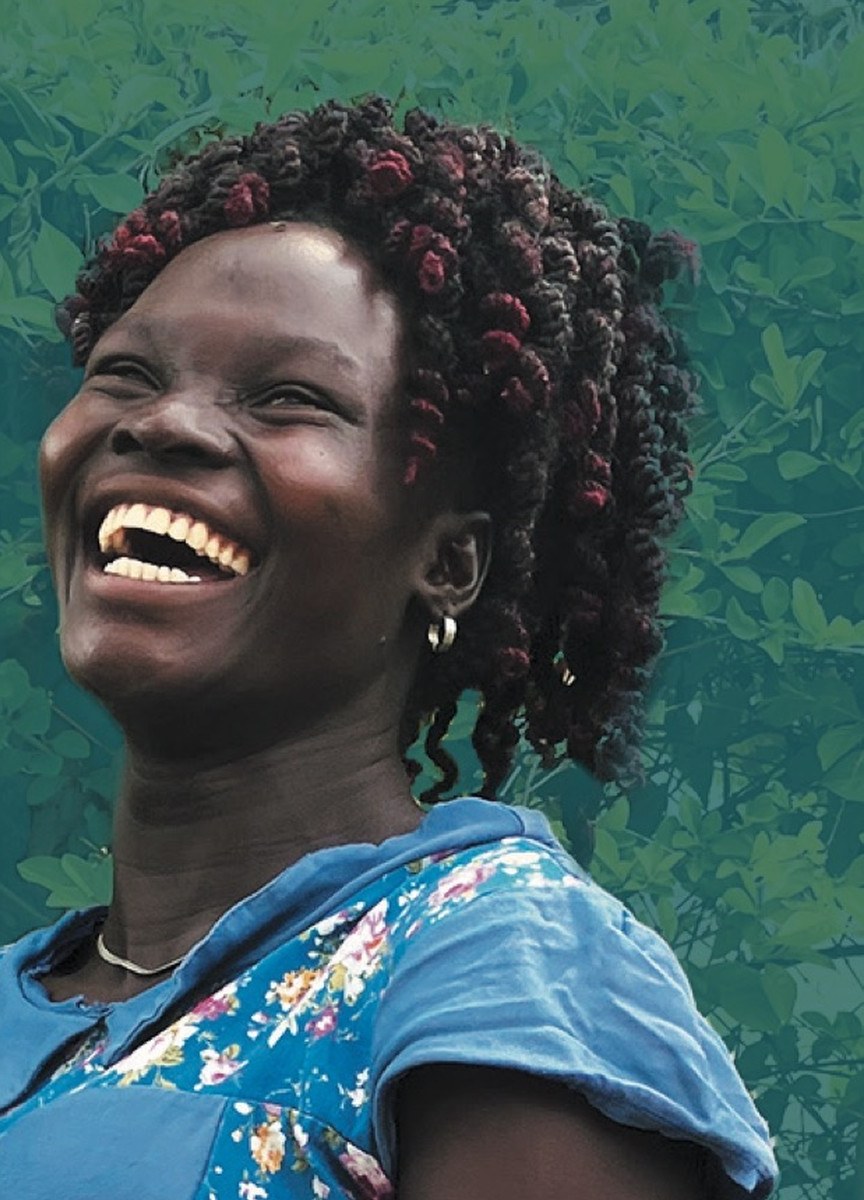
From trafficked at sixteen to training other survivors.
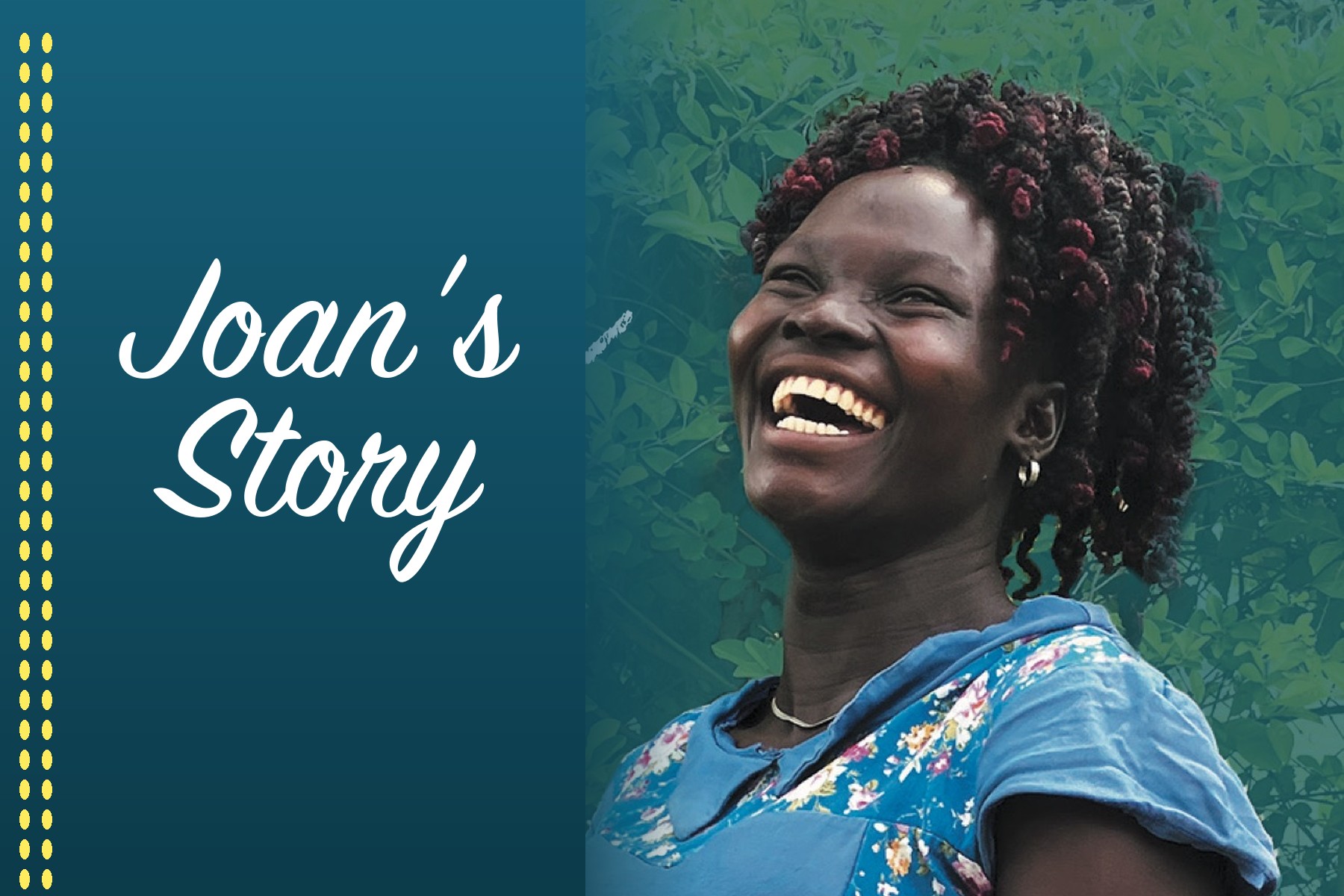
"What I was taught gave me strength ... especially patience and hope."
Read Joan's story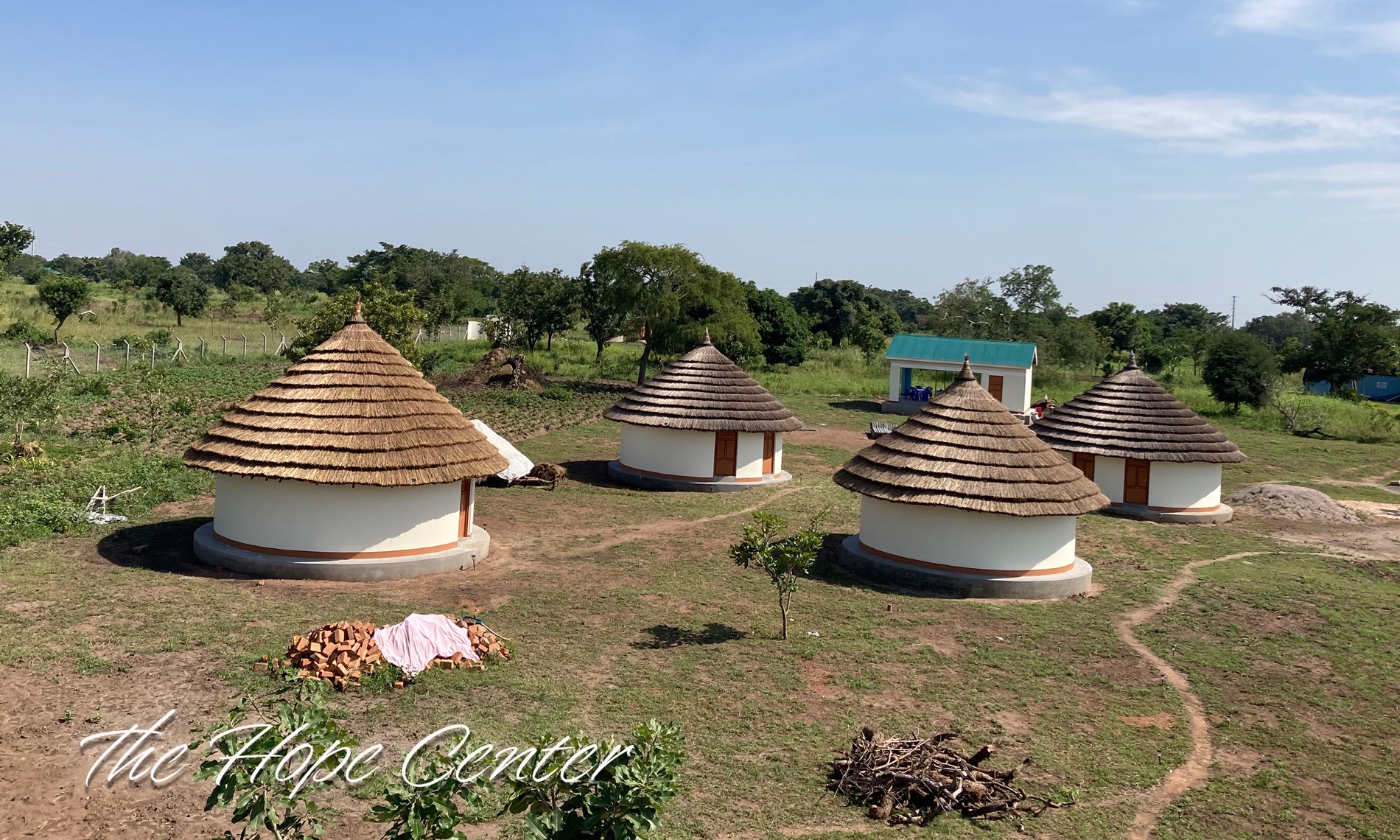
Survivors often struggle to come home, and many end up back with their captors. That's why aftercare matters. The Hope Center is the only local aftercare center in the Karamoja region.
But, when survivors are rescued, there are no local solutions for them to receive care. City-based aftercare has proven ineffective for Karamojong survivors, many even run away from their care and are trafficked again. We believe healing should happen in a place that feels like home.
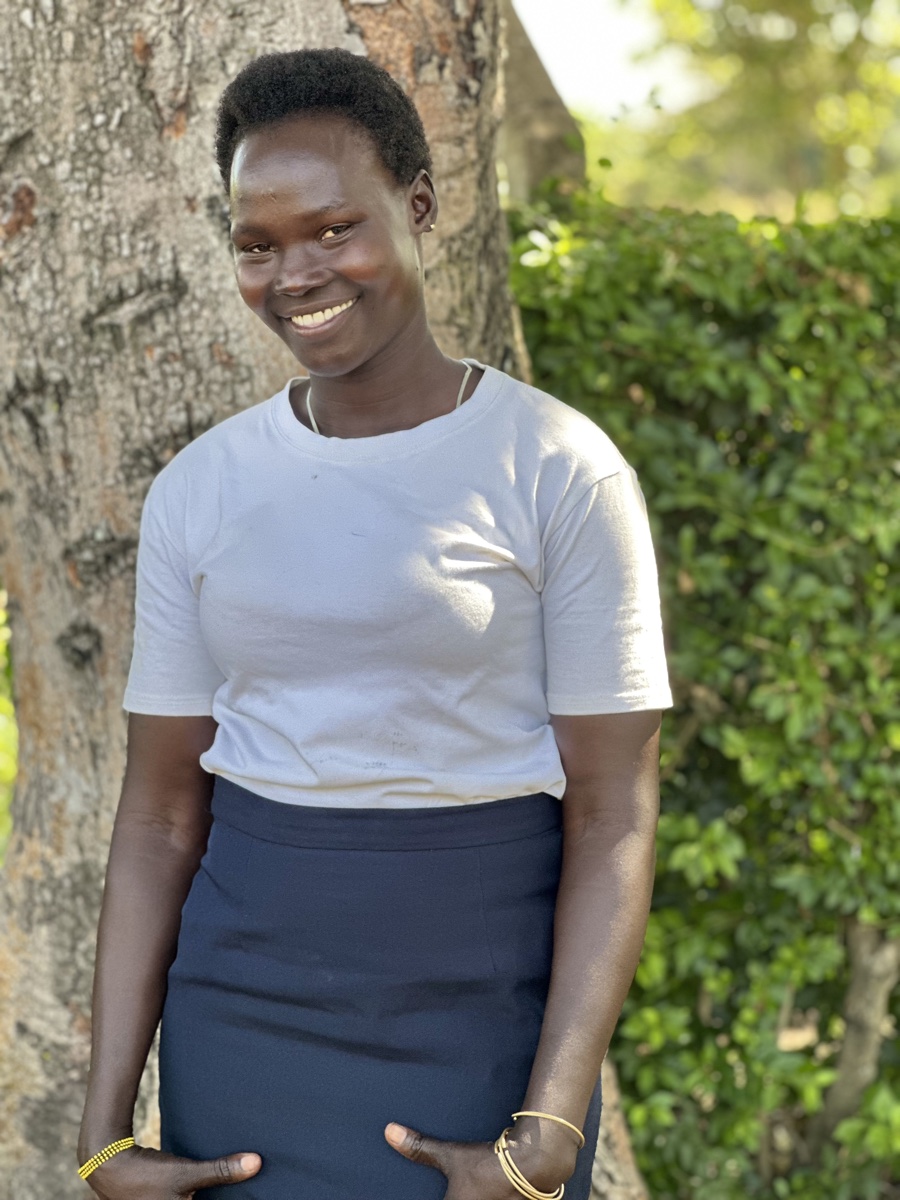
The Hope Center provides emergency shelter and aftercare, far from the reach of traffickers.
Survivors receive professional help to work through trauma and begin to discover their true identity and purpose for living.
Participants receive education and business training so they can control their own destiny.
"What I was taught gave me strength ... especially patience and hope."
Read Joan's story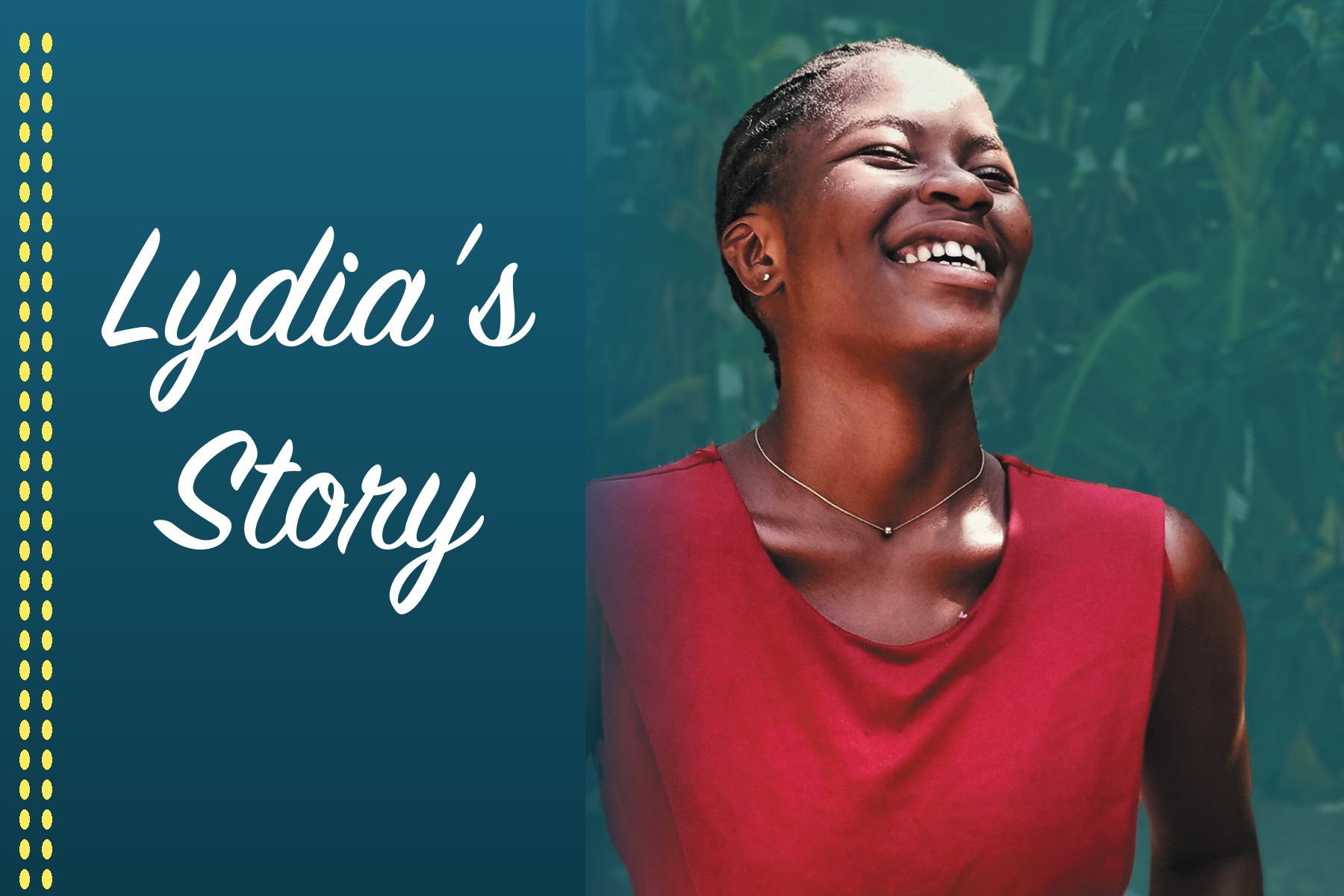
"Determined to succeed and build a better future."
Read Lydia's story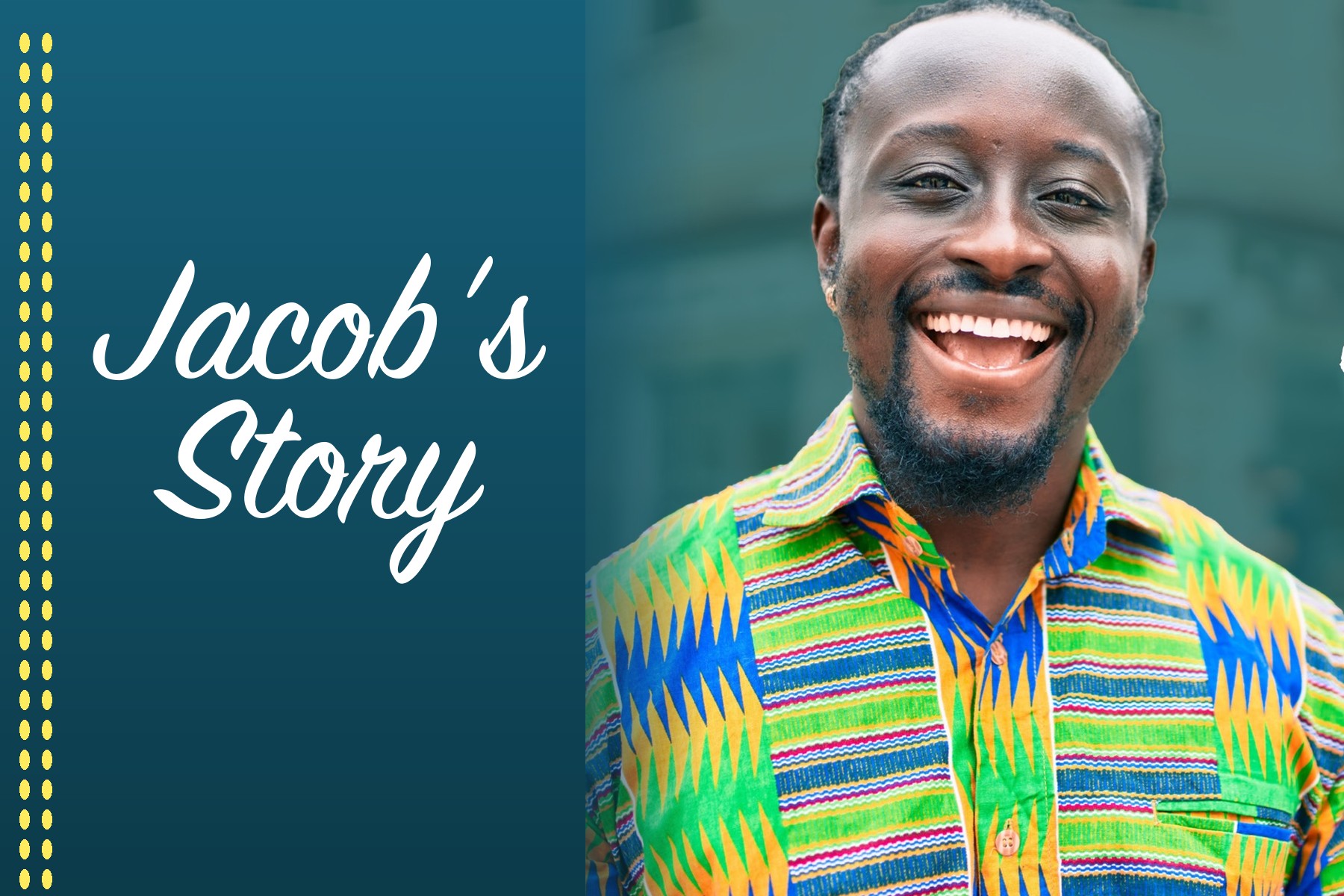
Forced into a scam compound abroad, stranded after rescue ... until Hope's Cry acted.
Read Jacob's storyYour gift supports survivors to receive the care they need to develop into leaders that change their communities and protect others.
To keep survivors safe, we never share the center's location beyond the region (Karamoja, Uganda). It protects them from retaliation and from being trafficked again.
They're referred by local partners, community networks, and rescue operations. Every intake is trauma-informed and starts with the survivor's consent.
Only graduated adult survivors who've signed a release are ever shown by name or face. Anyone still in the program is protected with a pseudonym and no identifying photos. Minors without a documented release are never identified.
The full journey runs about 18 to 24 months ... long enough to rebuild identity, heal trauma, and develop the leadership that makes freedom last.